
Planning Asphalt Paving in Omaha, Blair and Gretna
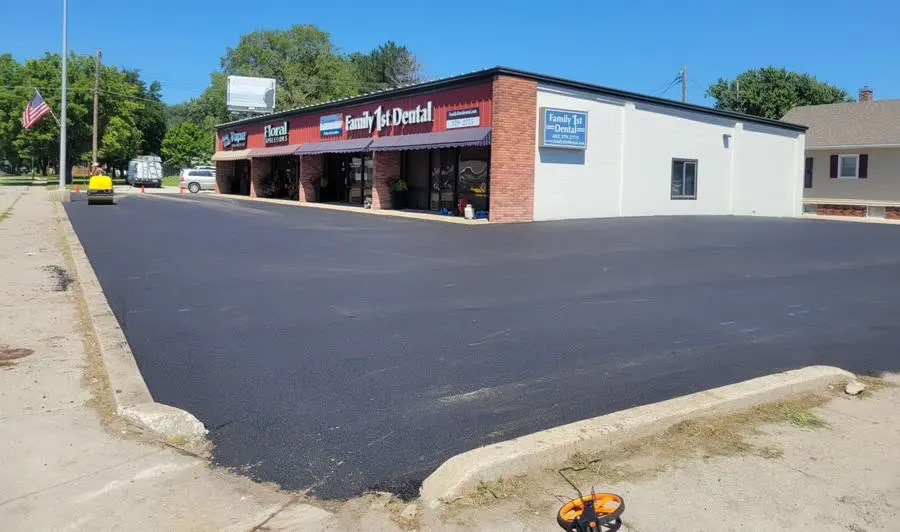
Planning asphalt paving in Omaha, NE can start with three considerations before paving begins: what exactly gets paved, how people and vehicles will move during the work, and what Nebraska's October and November weather does to the schedule. Huskers Asphalt is locally-owned and paves driveways and commercial areas for Omaha, Blair, Gretna and nearby towns. Settling those three points first may help your estimate better reflect the work needed.
Set the paving scope before requesting work
Start by naming the type of project. A home driveway and a commercial paved area are different jobs, even when the footprint looks similar. Residential asphalt paving usually centers on the drive, a turnaround or a parking pad. Commercial asphalt paving adds traffic loads, drive lanes, parking stalls and sometimes delivery routes.
Then walk the area and note what needs paving and how it gets used. A drive that one family car uses daily is not the same as a lot where delivery trucks turn and park. Heavier use can call for a thicker, stronger build, and knowing about that use can help the crew make a recommendation.
| What to note | Home driveway | Commercial area |
|---|---|---|
| Areas to pave | Drive, turnaround, parking pad, walkway edges | Drive lanes, stalls, loading zones, entrances |
| Typical use | Daily cars, occasional trailer or RV | Customer cars, delivery trucks, service vehicles |
| Existing surface | Old asphalt, concrete, gravel or bare ground | Worn pavement, patched areas, failed sections |
| Drainage concerns | Water pooling near the garage or street | Standing water in stalls or at entrances |
Finally, write down your questions about the existing pavement or the site preparation. If the old surface is cracked, sunken or crumbling at the edges, the crew needs to look at it. Whether it can stay, be repaired or must come out may require an on-site assessment rather than a photo alone.
Plan for access during the work
Paving blocks the surface you normally drive on, so think through where vehicles will enter, exit and wait. On a home driveway, that often means parking cars on the street or a neighbor's approved space for a day or more. Check with your city or HOA if street parking has limits.
For a business, the question is bigger. Decide how customers and deliveries will reach the property while part of the lot is closed. Many property managers split a lot into sections so one half stays open, and advance coordination with the crew can help. Tell them about peak hours, delivery windows and any entrance you cannot close.
Also ask how long the new surface should stay clear. Fresh asphalt is placed hot and needs time to cool and firm up. Crews often ask you to keep vehicles off for a day or two, sometimes longer in warm weather, and to keep heavy loads off longer still. Ask for a specific answer for your project rather than assuming.
Account for Nebraska fall weather
Nebraska winters bring snow and repeated freezing and thawing. Water that seeps into a hairline crack can freeze, and repeated freezing and thawing can widen the gap. Pavement that is placed well and drains well is better able to handle that cycle. That is one reason many property owners try to finish paving before winter sets in.
October and November weather can change the workable paving window. Asphalt cools faster in cold air, wind and cold ground, and the crew has a limited time to spread and compact it while it is still hot. Cool, windy days can shorten that time, and a cold snap or wet stretch can push a job back. Weather across Omaha, Blair, Gretna and the rest of eastern Nebraska can swing quickly in those months, so a date set weeks ahead may need to change.
Keep a few practical points in mind:
- Have your scope and access plan ready for scheduling discussions when conditions line up.
- Be flexible on the start day, especially in November.
- Ask the crew to assess conditions and explain the expected access and cure time for your project.
- If the weather closes the window, ask what a spring start would involve instead of rushing a poor install.
Prepare the details for a site review
Bringing clear information may help a site review go faster and an estimate better reflect the work needed. Gather these before you call:
- The intended use of the paved area, including the heaviest vehicles that will cross it.
- The areas you want paved, with any you are unsure about marked separately.
- Your access needs, such as days you cannot be blocked in or hours a business must stay open.
- What the surface is now: old asphalt, concrete, gravel or dirt.
- Any trouble spots, like pooling water, sunken sections or tree roots near the edge.
Ask the crew what site conditions could change the scope before work begins. Soft ground, poor drainage or a failing base under old pavement can add work, and it is better to hear that during the review than on the day of the job. If you are weighing a new driveway paving project, bring the same list and the same questions.
When your details are ready, ask for a Free estimate for your property and ask whether a site walk is available.
Common questions
How long should I stay off new asphalt?
Crews often ask for a day or two before regular vehicles drive on it, and longer for heavy loads. The right answer depends on thickness and weather, so ask your crew for a time that fits your job.
Can asphalt be paved in November in Nebraska?
Sometimes, but it depends on air temperature, ground temperature and wind on the day. Cold conditions can make asphalt cool too fast to compact well, so ask the crew whether site conditions allow paving.
What should I have ready before asking for an asphalt paving estimate?
Know the areas you want paved, how the space is used, and what the surface is now. A short list of access needs and problem spots helps the crew spot scope changes early.
Areas we serve
Our services
Have a question about your project? Call (402) 649-5664